
Why PCR?
About PCR Testing:
Polymerase Chain Reaction (PCR) is a molecular DNA-based testing modality that is used to detect genetic variants in a patient’s DNA that may lead to future inheritable diseases. It can also be used to identify pathogen-specific genetic sequences in bodily substances (urine, wound, women’s health, sputum, blood) that may lead to patient infections. Thus, real-time PCR testing allows Blue Ridge Laboratories to differentiate between various pathogens (viruses, bacteria, fungi, and parasites) and simultaneously test these pathogens for antibiotic resistance.
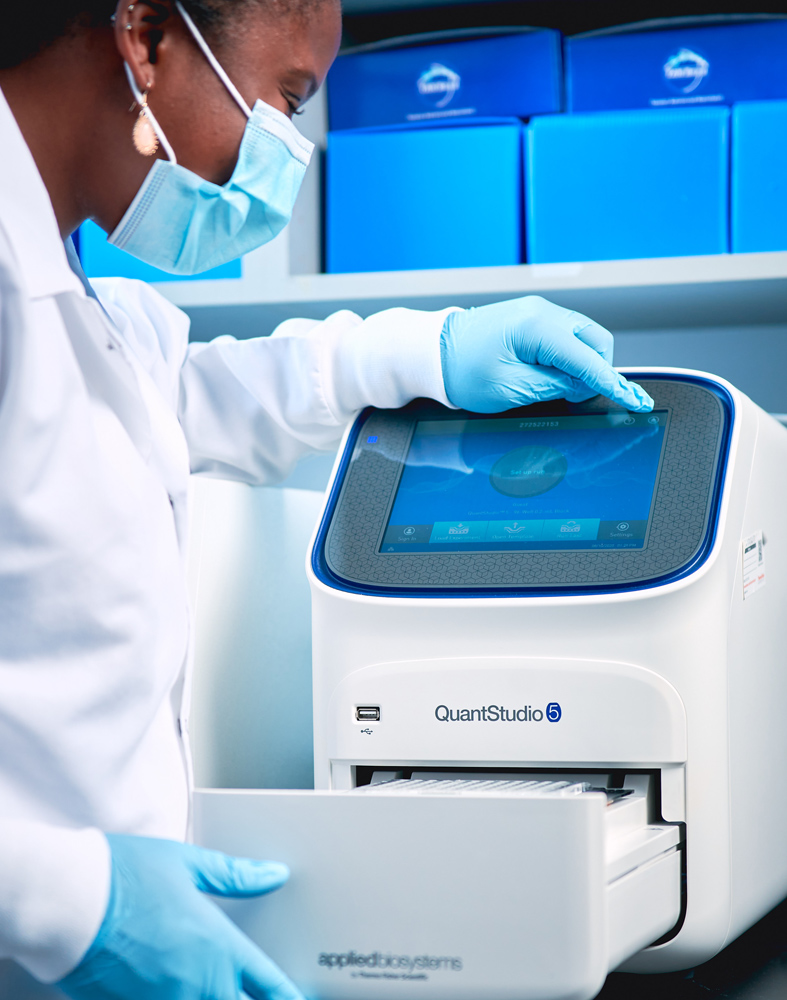
PCR Information
Advantages of PCR:
Polymerase Chain Reaction (PCR) testing provides Blue Ridge Laboratories with the ability to provide faster, more sensitive, and more accurate test results, particularly when compared to culture based microbial testing. By copying DNA segments, PCR testing can quickly identify mixed, mono, and polymicrobial infections and gene resistance markers. Further, the samples required for PCR testing are easy to obtain and often simply require a buccal swab or swab of the potential source of infection. PCR further permits the identification of non-cultivatable or slow-growing microorganisms such as mycobacteria, anaerobic bacteria, or viruses.
PCR and Antibiotic Resistance:
The CDC believes that 1 in 3 antibiotic prescriptions are unnecessary. The practice of antibiotic over-use leads to antibiotic-resistance in our bacteria, fungi, and viruses. The CDC reports that over 2 million people per year in the US ultimately contract an infection with an antibiotic-resistant organism. By coupling microbiology testing for pathogenic organisms and antibiotic resistance testing, Blue Ridge Laboratories delivers rapid identification of infections as well as rapid identification of antibiotic resistance. Rapid identification allows providers to quickly identify infections and effectively use antimicrobial treatment to prevent adverse patient outcomes or potentiate antibiotic resistance.